Thinking About a Modular Home in Florida? Read This First
By Kim Brylle Talavera ·
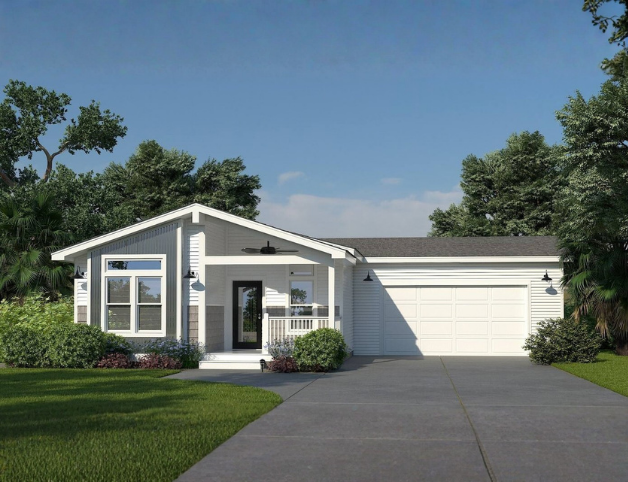
Thinking about building a home in Florida but want a faster, more predictable process than traditional construction? Modular homes have become a popular choice for buyers who want quality construction, flexible designs, and more certainty about timelines.
-
Because modular homes are built in sections inside a factory, many people have questions about how they compare with manufactured and site-built homes. Understanding the differences can help you choose the right path.
-
Here’s what you should know before buying a modular home in Florida.
-
1. What Is a Modular Home?
-
A modular home is built in a factory in sections, called modules. The modules are transported to your property and assembled on a permanent foundation.
-
Unlike manufactured homes, which are built to the federal HUD Code, modular homes are built to the same state and local building codes as traditional site-built homes. In Florida, that means meeting the Florida Building Code and the requirements of the local jurisdiction where the home will be placed.
-
Modular homes come in many forms, including:
• Single-story ranch designs
• Two-story homes
• Multi-section custom layouts
• Accessory dwelling units (ADUs)
-
2. Modular vs. Manufactured Homes: What’s the Difference?
-
The two terms are often confused, but they are not the same.
-
• Building code: Modular homes follow state and local codes. Manufactured homes follow the federal HUD Code.
-
• Foundation: Modular homes are set on a permanent foundation. Manufactured homes may be placed on different foundation types, depending on the home and local rules.
-
• Design flexibility: Modular homes often allow more customization in layout and exterior design.
-
• Financing and appraisal: Modular homes placed on a permanent foundation are often treated similarly to site-built homes, though lender requirements vary.
-
If you’re unsure which type fits your property and goals, a home specialist can walk you through the options.
-
3. Why Are More Florida Buyers Choosing Modular Homes?
-
Predictable Construction Timelines
Factory construction is not delayed by rain, storms, or other weather interruptions, which can make scheduling more predictable.
-
Quality Control
Modules are built in a controlled environment where materials stay protected and work is inspected at multiple stages.
-
Design Flexibility
Many builders offer a range of floor plans, finishes, and upgrades, so you can shape the home to fit your lifestyle.
-
Less Material Waste
Factory production can reduce waste compared with traditional on-site building.
-
4. How Much Does a Modular Home Cost in Florida?
-
The price depends on several factors:
• Home size and square footage
• Number of bedrooms and bathrooms
• Floor plan complexity
• Interior and exterior finishes
• Transportation and crane setting
• Foundation type
• Site preparation, permits, and utility connections
-
The price of the home itself is rarely the full cost of move-in-ready living. Land costs, permits, foundation, utilities, and finishing work can add to the total.
-
Ask for an itemized estimate before you buy, so you know what’s included and what isn’t.
-
5. Do You Need to Own Land First?
-
Not necessarily, but you do need a suitable place to put the home.
-
Building on Your Own Land
-
If you already own property, confirm zoning, setbacks, access, utility availability, and permit requirements with your local building department before choosing a home.
-
Buying Land and Home Together
-
Some buyers purchase land and a home as a package. This can simplify planning and help you understand the full project cost up front.
-
6. Florida Weather and Building Requirements
-
Florida homes need to be ready for storms and high winds. Modular homes must meet the Florida Building Code, including wind-load requirements based on the home’s location.
Proper foundation, anchoring, and installation matter just as much as the home itself. If your property is in a flood zone, additional elevation or foundation requirements may apply.
Always confirm that your chosen home is approved for the specific site where it will be installed.
-
7. Financing and Insurance
-
Financing a modular home often works differently from buying a finished house. Many projects use a construction loan during the build and setting phase, which then converts to a permanent mortgage once the home is complete.
-
Before you commit, consider:
• Your credit and income qualifications
• Your down payment
• Whether the loan will include land, site work, and the home
• Interest rates and loan terms
-
Insurance availability and cost depend on the home’s location, construction, and wind and flood exposure. Speak with an insurance provider early in the process.
-
8. What Should You Look for Before You Buy?
-
Define your space needs. Think about bedrooms, bathrooms, and future flexibility.
Compare floor plans. Look at how the kitchen, living areas, and bedrooms flow together.
Build a full budget. Include the home, delivery, setting, foundation, utilities, permits, and finishing.
Verify your site. Confirm zoning and access before you commit.
Understand what’s included. Ask about appliances, upgrades, warranties, and timelines in writing.
-
9. Are Modular Homes Worth Considering?
-
For many Florida buyers, modular homes offer a strong balance of quality, customization, and a more predictable building process. They’re not right for every property or budget, but they deserve a place on your shortlist, especially if you want a home built to site-built code standards.
-
10. Explore Your Modular Home Options at Easy HomeSource
-
At Easy HomeSource, we help buyers explore modular homes, manufactured homes, ADUs, tiny homes, and park models.
-
Our Brooksville, Florida showroom lets you walk through models, compare layouts, and see finishes in person.
-
Your next home could be closer than you think.
-
Visit Easy HomeSource and schedule an in-person home tour.
-
EXPLORE OUR HOMES
Find a home that fits your lifestyle. Visit Easy HomeSource in Brooksville, Florida, and schedule your personal home tour.
-
Frequently Asked Questions About Modular Homes in Florida
-
Are modular homes allowed in Florida?
-
Yes, in many areas, subject to local zoning, land-use rules, and permitting.
-
Are modular homes the same as manufactured homes?
-
No. Modular homes are built to state and local building codes, while manufactured homes are built to the federal HUD Code.
-
Can modular homes withstand hurricanes?
-
They must meet the Florida Building Code wind requirements for their location. Proper foundation and installation are essential, so verify specifications for your site.
-
How long does it take to get a modular home?
-
It varies by builder, production schedule, permitting, site preparation, and setting. Ask for a written timeline.
-
Can I customize a modular home?
-
Often, yes. Options depend on the builder and model.
-
Are modular homes cheaper than site-built homes?
-
They can be, but the total cost depends on the home, land, site work, and finishes. Compare complete estimates, not just the home price.
-
Where can I see modular homes in Florida?
-
Visit Easy HomeSource in Brooksville, Florida, and schedule an in-person tour.
-
Easy HomeSource
9011 McIntyre Rd, Brooksville, FL 34601
Phone: (352) 558-8888